
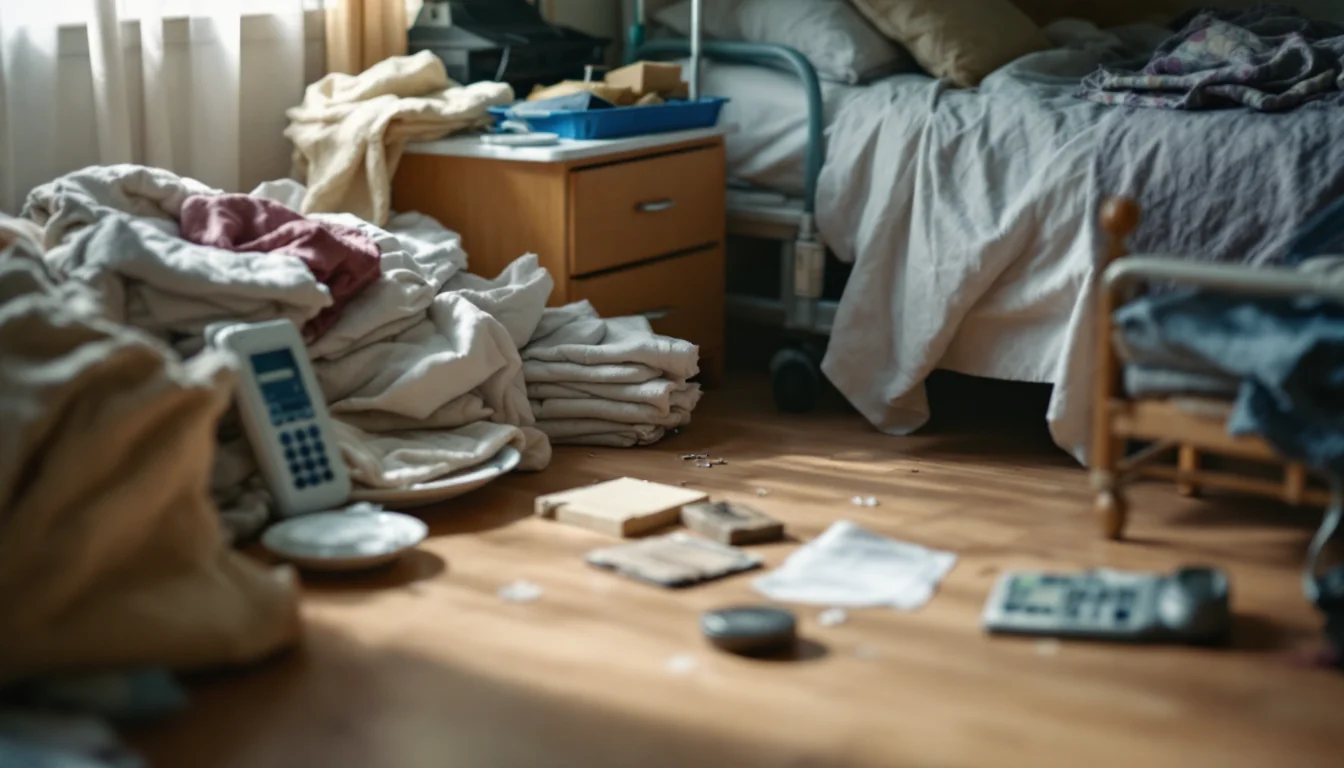
Could Your Loved One Be Experiencing Nursing Home Negligence?

Oregon Medical Malpractice & Personal Injury Attorney
Placing a loved one in a nursing home is one of the most difficult decisions a family can face. You trust that the facility will provide the compassionate, professional care your family member deserves. But unfortunately, nursing home negligence is far more common than most people realize. According to the National Council on Aging, roughly 1 in 10 Americans over the age of 60 experience some form of abuse or neglect. Recognizing the warning signs early can make the difference between a minor concern and a life-threatening situation.
Warning Signs of Nursing Home Negligence
Nursing home negligence can take many forms, and the signs are not always obvious. Families should remain vigilant and watch for the following red flags during visits and conversations with their loved ones.
Unexplained Injuries or Bruises. Frequent bruises, cuts, fractures, or other injuries that staff cannot adequately explain are among the most alarming indicators of negligence or abuse. While elderly residents may be more prone to falls, a pattern of unexplained injuries should never be dismissed. Facilities have a duty to prevent falls and to report and document any incidents that occur.
Sudden Weight Loss or Dehydration. Significant or unexplained weight loss, signs of malnutrition, or chronic dehydration can indicate that a facility is failing to provide adequate nutrition and hydration. Residents who are unable to feed themselves depend entirely on staff for meals and fluids. When staffing levels are inadequate or caregivers are inattentive, residents suffer.
Poor Hygiene and Unsanitary Conditions. If your loved one appears unkempt, is wearing soiled clothing, or has not been bathed regularly, the facility may be neglecting basic care responsibilities. Unsanitary living conditions, including dirty linens, foul odors, or unclean common areas, are also strong indicators that the facility is not meeting minimum standards of care.
Emotional Withdrawal or Behavioral Changes. A resident who becomes unusually withdrawn, anxious, fearful, or depressed may be experiencing neglect or emotional abuse. Pay attention if your loved one becomes reluctant to speak openly in front of staff members or expresses fear about certain caregivers. These behavioral shifts often indicate that something is wrong, even when the resident is unable or unwilling to describe what is happening.
Bedsores or Untreated Medical Issues. Bedsores, also known as pressure ulcers, develop when a resident is left in the same position for extended periods without being repositioned. They are largely preventable with proper care and are widely recognized as a hallmark sign of nursing home neglect. Similarly, untreated infections, unmanaged chronic conditions, or missed medications suggest that the facility is not providing the level of medical attention residents require.
The Legal Framework in Oregon
Oregon has established a comprehensive legal framework to protect nursing home residents. The Oregon Department of Human Services oversees the licensing and regulation of long-term care facilities and conducts inspections to ensure compliance with state and federal standards. Nursing homes that receive Medicare or Medicaid funding must also comply with federal regulations under the Nursing Home Reform Act.
Oregon law requires nursing facilities to provide each resident with a safe environment, adequate staffing, proper nutrition and hydration, timely medical care, and respect for personal dignity. Facilities that fail to meet these obligations can face regulatory penalties, including fines, citations, and the potential loss of their operating license.
Oregon is also a mandatory reporting state. Healthcare workers, social workers, and certain other professionals are legally required to report suspected abuse or neglect to the appropriate authorities. Family members and other concerned individuals are also encouraged to report any concerns to the Oregon Department of Human Services or local law enforcement.
Compensation Available
When nursing home negligence causes harm to a resident, the family may be entitled to pursue compensation through a civil lawsuit. Recoverable damages in nursing home negligence cases can include:
- Medical costs for treating injuries, infections, malnutrition, or other conditions caused or worsened by the facility's negligence
- Costs of transferring the resident to a new facility that can provide appropriate care
- Compensation for pain and suffering endured by the resident as a result of the neglect
- Emotional distress damages for both the resident and affected family members in certain circumstances
- Punitive damages in cases where the facility's conduct was particularly reckless or egregious, intended to punish the wrongdoer and deter future misconduct
Recommended Actions
If you suspect that your loved one is experiencing nursing home negligence, taking prompt action is essential to protect their safety and preserve your legal options.
- Document your concerns. Take photographs of any visible injuries, unsanitary conditions, or other evidence of neglect. Write down specific dates, times, and descriptions of what you have observed. Keep copies of all communications with the facility, including emails, letters, and notes from phone calls or in-person meetings.
- Report to the authorities. File a complaint with the Oregon Department of Human Services, which investigates reports of abuse and neglect in long-term care facilities. You may also contact the Oregon Long Term Care Ombudsman, an independent advocate for nursing home residents. If you believe your loved one is in immediate danger, contact local law enforcement.
- Seek medical attention. If your loved one has suffered injuries or a decline in health, ensure they receive a thorough medical evaluation from an independent physician. Medical records documenting the extent of harm are critical to any future legal claim.
- Consult an attorney. An experienced attorney can help you understand your loved one's rights, evaluate the strength of your case, and guide you through the process of seeking accountability and compensation. Early legal consultation can also help ensure that important evidence is preserved before it is lost or altered.
No family should have to worry about whether their loved one is safe in a care facility. Nursing home negligence is not always medical malpractice — many claims are ordinary negligence, resident-rights violations, or statutory abuse of a vulnerable person, and those carry different deadlines and different remedies. Where a resident 65 or older was physically or financially abused, ORS 124.100 requires a court to award three times the economic damages, three times the noneconomic damages, and reasonable attorney fees, and ORS 124.130 allows seven years from discovery of the conduct rather than the ordinary two. If the negligence resulted in a loved one's death, you may also have a wrongful death claim. Do not wait to act---the sooner you take steps to document and report the problem, the better positioned you will be to protect your loved one and pursue justice.

Todd Huegli is an Oregon medical malpractice, personal injury, and wrongful death attorney with 50+ complex cases tried to verdict. He is a SuperLawyers honoree and member of the Oregon Trial Lawyers Association President's Circle.
Related Articles

Testicular Cancer Misdiagnosed as Epididymitis in Oregon
When a testicular mass is treated as infection: the AUA ultrasound and tumor-marker statements, the ORS 677.095 duty, and Oregon's filing deadlines.

Esophageal Cancer Missed Behind an Oregon Reflux Diagnosis
When years of PPI refills replace an endoscopy: the ACG and ASGE alarm-feature recommendations, the ORS 677.095 duty, and Oregon's filing deadlines.

Cervical Cancer: Missed Pap and HPV Results in Oregon
Oregon law on delayed cervical cancer diagnosis: current screening guidance, the ORS 677.095 standard, and the ORS 12.110(4) two-year and five-year deadlines.
If you believe you or a loved one has been a victim of medical malpractice or negligence, contact Huegli Law for a free consultation.
Call 971-317-6436